

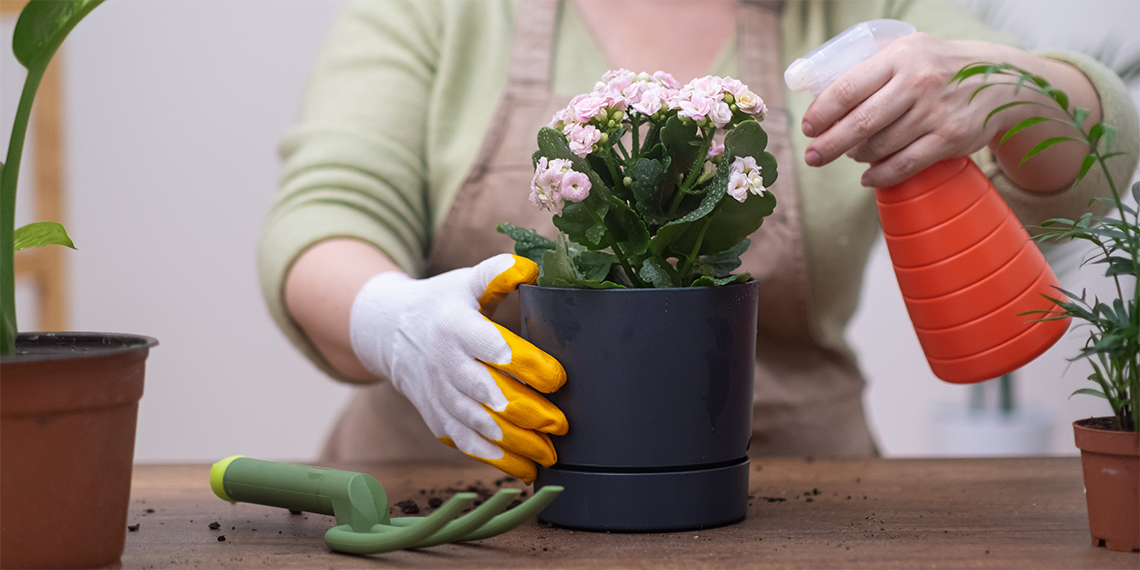
Kalanchoe adds cheerful color and bold, sculptural leaves to windowsills and desks with very little fuss. When you understand kalanchoe light requirements, keep kalanchoe watering straightforward, and use a fast-draining soil, these succulents deliver tidy growth and long-lasting blooms. In this guide, we will cover daily kalanchoe care, how to get kalanchoe to bloom, standout varieties, and fixes when problems pop up. Whether you are new to kalanchoe or polishing your routine for the next flower show, use this as your handy reference for how to care for a kalanchoe plant.
Kalanchoe Basics: Types, Growth Habit, and Placement
Many species are worth growing, but a few favorites rise to the top for home care:
- Kalanchoe blossfeldiana and cultivars: The classic market plant with clustered flowers in red, pink, orange, yellow, or white. Single and double forms (often labeled “Calandiva”) typically reach 8 to 18 inches tall.
- Kalanchoe thyrsiflora (flapjack or paddle plant): Flat, round leaves that blush red in strong light, perfect for sculptural accents.
- Kalanchoe tomentosa (panda plant): Soft, fuzzy leaves edged in chocolate tones, adding texture to mixed displays.
- Kalanchoe luciae: Similar to flapjack but with larger, striking rosettes.
With ample light, most kalanchoe plants stay compact, which makes them ideal for tabletops and sunny windows. Outdoors, they thrive in frost-free zones (USDA 10 to 12). In cooler areas, use containers and bring plants inside before nights dip below 50°F. Freezing temperatures damage leaves and buds, so shield plants from cold snaps.
Indoors, pick a bright spot near south-, west-, or east-facing windows. Target daytime temperatures of 60 to 75°F and nights around 55 to 65°F. Average indoor humidity is fine. Provide airflow and avoid cold drafts and heat vents to keep buds and foliage stable and stress-free.
Light, Watering, and Soil Requirements
Light: Consistent brightness keeps plants compact and blooming. Aim for 4 to 6 hours of bright light indoors each day. In summer, use bright, indirect light or filtered sun, especially behind hot south-facing glass. In winter, move closer to the window or offer a few hours of gentle direct sun. If stems stretch or leaves pale, raise light levels, since meeting kalanchoe light requirements is essential for sturdy growth and how to get kalanchoe to bloom.
Water: Water deeply, then wait. Soak the soil, then let the top 1 to 2 inches dry before watering again. As succulents, kalanchoe plants store moisture and dislike constant dampness. Indoors, watering every 1 to 2 weeks is common in spring and summer. In fall and winter, every 2 to 4 weeks may be enough. Adjust to your conditions. Simple, consistent kalanchoe watering is one of the most important parts of good kalanchoe care and answers how often to water kalanchoe: only when the top inch or two is dry.
- Overwatered? Watch for yellowing, translucent, or mushy leaves and a musty soil smell.
- Underwatered? Leaves may shrivel or droop, then rebound after a thorough soak.
Soil and pots: Choose a fast-draining cactus or succulent mix. A reliable DIY blend is two parts quality potting mix, one part perlite or pumice, and one part coarse sand. Always use a pot with drainage holes; unglazed terracotta helps wick away extra moisture. Repot every 2 to 3 years or when roots fill the container, ideally in spring after flowering.
Feeding, Pruning, and How to Encourage Blooms
Feeding: Fertilize lightly during active growth. From spring through early fall, use a balanced, water-soluble fertilizer at half strength every 4 to 6 weeks. When buds form, you can switch to a bloom formula with slightly higher phosphorus, still at half strength. Pause or cut back feeding in winter when growth slows.
Pruning: After flowers fade, trim spent stems just above a leaf node. In spring, lightly pinch leggy tips to encourage branching and a fuller shape. Remove yellow or damaged leaves to keep plants tidy.
Reblooming: How to get kalanchoe to bloom again? Kalanchoe is a short-day plant, so many varieties set buds after about 14 hours of uninterrupted darkness for 3 to 6 weeks. In fall or winter, try this schedule:
- Provide long, consistent nights in a dark room, or cover the plant with a lightproof box each evening.
- Return it to bright light during the day to meet kalanchoe light requirements.
- Keep temperatures near 60 to 70°F and water sparingly while buds develop.
When bud color appears, resume normal watering and rotate weekly for even light. If you are wondering how to care for a kalanchoe plant for the best display, steady light and modest water during bud development make a big difference.
Health, Pests, Propagation, and Safety
Pest watch: Healthy kalanchoe resists most pests, but mealybugs, aphids, and spider mites can appear on stressed plants. Treat with alcohol swabs, a firm water rinse, or insecticidal soap, testing on a small area first.
Toxicity: Is Kalanchoe toxic to pets and children? Yes. Kalanchoe contains compounds that can be harmful if ingested, especially to cats, dogs, and small children. Keep plants out of reach and contact a professional if ingestion occurs.
Propagation: Take leaf or stem cuttings, allow them to callus 1 to 3 days, then root in a gritty, barely moist mix under bright, indirect light.
Troubleshooting, Seasonal Care, and Bloom Duration
- Yellow leaves: Often due to overwatering or slow-draining soil. Improve drainage and space out kalanchoe watering.
- Leggy growth: A sign that the light is too low. Increase light to meet kalanchoe light requirements.
- Buds dropping: Commonly linked to low light, temperature swings, or underwatering. Stabilize conditions to help Kalanchoe to bloom well.
Seasonal care: In spring and summer, increase light and feeding, and water when the top inch or two dries. In fall and winter, reduce watering and start the short-day routine if you want flowers for the holidays. This steady approach reflects practical kalanchoe care and how to care for a kalanchoe plant year-round.
Bloom duration: How long do kalanchoe blooms last? With strong light and modest watering, each flush usually lasts 4 to 8 weeks. Consistent light, careful watering, and prompt removal of spent flowers can help extend the display.
With the right balance of bright light, thoughtful kalanchoe watering, and breathable soil, your plant will thrive. If you ever need a refresher on kalanchoe care, remember this formula: steady light, soak-then-dry watering, and fast drainage. Follow the short-day routine when you are ready for another burst of color and enjoy reliable blooms.
Quick Q&A:
- How much light does a kalanchoe plant need? About 4–6 hours of bright light daily to meet kalanchoe light requirements.
- How often to water kalanchoe? Water thoroughly, then wait until the top 1–2 inches are dry before the next drink.
- How to get kalanchoe to bloom? Provide 14 hours of darkness for 3–6 weeks, bright days, cool nights, and light feeding.